Secrets of the Egyptian Afterlife
The Journey the Ancient Egyptian Pharaohs Made Through the After Life
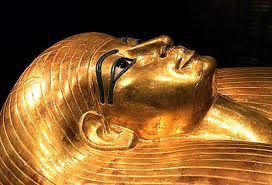
The Egyptian afterlife was a key part of the beliefs of the Ancient Egyptians. Preparation for the journey of the pharaoh into the afterlife was important and much was done to prepare the deceased for the journey through the underworld. Following the pharaoh’s death, the body was embalmed with special oils and wrapped in precious linen. Embalming rituals for the deceased pharaoh’s body took place over about 72 days. The body was carefully preserved and protected with amulets so that it was available to the pharaoh in the afterlife.
Tombs for the pharaohs were very elaborate with highly decorative coloured paintings on the walls. Most of the tombs for later pharaohs of Ancient Egypt are located in either the Valley of the Kings or the Valley of the Queens on the west bank of the Nile River near Luxor. Many earlier pharaohs were buried in the tombs near Abydos and many of these tombs have been recently discovered. Pharaohs began building on their tombs as soon as they came to the throne. It was important that everything was ready for their journey into the afterlife.
Many pharaohs and people of noble birth were also buried in pyramids and in mustabas. The walls of these tombs and mustabas are highly decorated with images that tell us about the beliefs that the ancient Egyptians had in regard to the afterlife. However, not all stories are the same and it is clear that their beliefs changed over the dynasties of the Pharaohs.
Documentary Egypt Unwrapped the Secrets of the Egyptian Afterlife
The following documentary is excellent and gives fabulous insight into the after life beliefs of the ancient egyptians and also gives some very good information about pharaohs and their journey through the afterlife.
Click the link below to find out about how you can take a tour of Egypt with your own Egyptologist to lead the way. Our Egyptologists bring the culture of Ancient Egypt to life.

Ramses the Great
The Story of Ramses the Great.
Ramses 11 is known as Ramses the Great and is considered to be one of the greatest Pharaohs of Ancient Egypt. There is so much you can tell of his story and the videos below are fascinating viewing. His family is considered to be not of the ruling royal line of Pharaohs.
Ramses had to prove himself as worthy so went to war to prove his might to the world. His army was hastily conscripted from all corners of the kingdom. His most famous conquest was at the Battle of Kadesh when he was 20 years of age. Stories of this victory are recorded on the walls of several temples. But there is no proof that he actually achieved all that he reported to be true but his battle success stories were effective in achieving his goals.
He is one of the longest ruling pharaohs and ruled for 67 years. Ramses the Great had many wives and concubines and had over 100 children. Ramses 11 was a very powerful pharaoh who expanded the borders of Egypt and protected every part of Egypt.
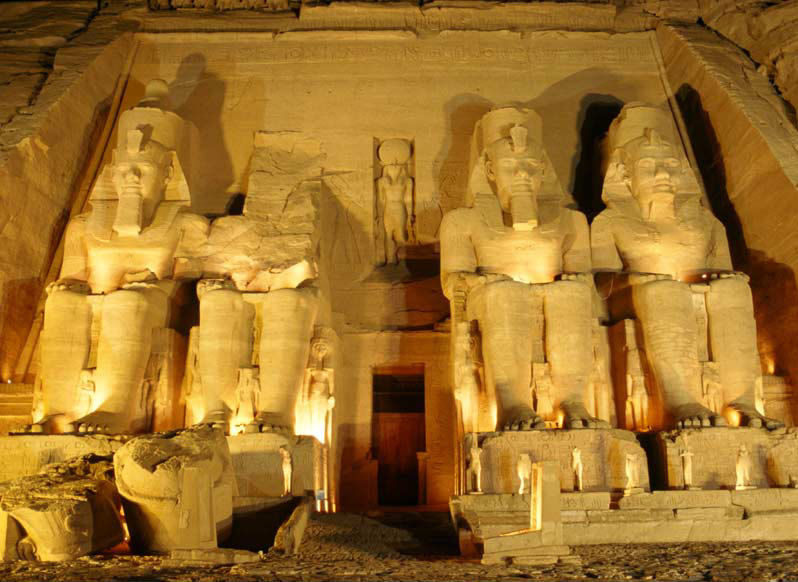
Of all the wives of Ramses the Great, his great love was the very beautiful Nefertari. She was his queen and greatest confidente. So great was his love for her, that he honoured her with her own beautiful temple next to his own at Abu Simbel.
Ramses the Great and the Buildings He Created
Of all the Pharaohs, Ramses 11 known as Ramses the Great was the builder of the most buildings. For Ramses the Great, creating buildings was the best way to show the strength of his power. He significantly expanded Karnak Temple, built Luxor Temple and the Ramasseum Funerary Temple. There is a wonderful wall in Abydos Temple where Ramses as a young boy is being taught about the pharaohs of Egypt by his father Seti I.
But the most famous and iconic of his buildings is Abu Simbel located deep in the south of Egypt. This temple was built as a statement for those entering Egypt from the South and was designed to leave visitors in no doubt as to who ruled Egypt and the strength of his power.
Come and join us in Egypt and discover Ramses the Great for yourself. Wander through the magnificent temples that he built in Luxor and Abu Simbel. Click the link below to contact us to create your own specialised tour of Egypt.